Reducing Developer Dependency in Business IT: A Strategic Approach
The Cost of Over-Reliance on Developers
Many businesses today struggle with high costs and operational bottlenecks due to an excessive reliance on developers to maintain and operate their IT systems. This dependency can lead to delayed project timelines and a restricted ability to adapt quickly to changing market conditions. As IT needs grow, so do the costs associated with hiring and maintaining a specialized team of developers, which can strangle a company’s budget and hinder growth.
Moreover, this dependency creates a single point of failure. If experienced developers leave, it can be challenging to find equally skilled replacements without a significant learning curve. This impacts not only financial resources but also the agility and competitiveness of the business. Therefore, moving towards reducing dependency on developers in IT not only cuts costs but also enhances business responsiveness and resilience.
Leveraging AI for IT Management
The advent of artificial intelligence presents a viable alternative to traditional developer-led IT management. AI systems can automate routine tasks, analyze data for decision-making, and even predict the need for system upgrades or maintenance without human intervention. Tools and platforms empowered by AI can simplify complex IT systems, making them accessible for non-technical teams to manage effectively.
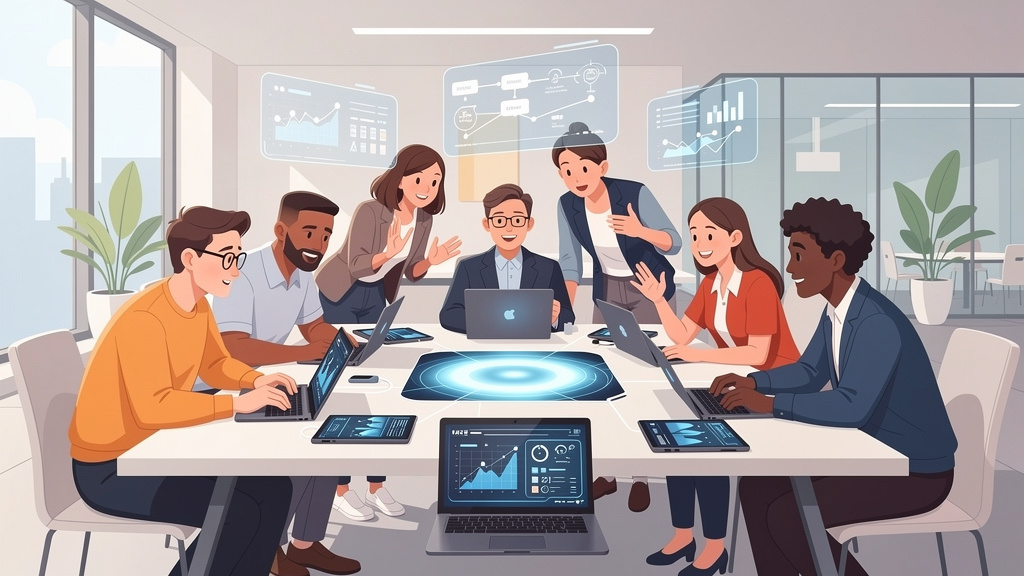
For instance, by integrating AI-driven solutions, companies can streamline operations and significantly reduce the need for constant developer oversight. This transition not only minimizes costs associated with developer payroll but also opens up the IT management realm to employees who might not have technical backgrounds. By shifting to an AI-controlled IT landscape, businesses can become more agile and less vulnerable to disruptions in developer availability.
Empowering Non-Technical Teams
One of the significant challenges in reducing IT developer dependency is empowering non-technical teams to manage and operate IT systems. This requires both a shift in organizational culture and the implementation of systems that are intuitive and user-friendly. Training programs aimed at boosting digital literacy among non-technical staff are essential. When team members understand the basics of IT systems, they can leverage AI tools more effectively, making informed decisions without relying on developers.
Moreover, platforms like [YourLastDev](https://yourlast.dev/?audit=1) that rebuild and streamline business IT systems can dramatically diminish the technical burden on non-expert users. These solutions allow business decision-makers to focus on strategic goals instead of getting bogged down by technical challenges, facilitating a smoother and more independent approach to IT management.
Steps to Transition to an AI-Driven IT System
- Conduct an IT audit to identify dependency areas.
- Implement AI solutions to automate routine tasks.
- Invest in training for non-technical staff on new systems.
- Integrate user-friendly, scalable IT platforms.
- Continuously evaluate and adapt IT processes.
Transitioning to an AI-driven IT system requires careful planning and execution. The first step is to conduct a comprehensive IT audit to understand current dependencies and vulnerabilities. Once these areas are identified, businesses can strategically implement AI solutions capable of automating routine tasks, thus freeing up resources and reducing reliance on developers.
Following this, it’s critical to invest in comprehensive training programs for staff. Empowering your non-technical team with the skills needed to manage these new systems ensures a smoother transition and greater overall efficiency. Scalability should also be a consideration when selecting platforms, ensuring they can grow with your business needs.
Practical Insights for Implementation
For business decision-makers, implementing these changes involves not just technological shifts but also organizational adjustments. Partnering with platforms that provide robust support and resources can be immensely beneficial. For instance, [AI Studio's insights on transforming decision-making](https://personalai.studio/blog/transforming-business-decision-making-with-personal-ai-systems) can offer valuable perspectives on how AI can fit within a company's strategic framework.
Continuous evaluation and adaptation of IT processes are necessary to maintain flexibility and competitiveness in a rapidly evolving digital landscape. By leveraging technology effectively, businesses can stay ahead of the curve and respond dynamically to new challenges without being held back by legacy issues tied to developer dependencies.
Get a free IT audit